
Architect + Builder: How We Collaborate for Design Integrity
At Montana Build, we believe great builds are the result of collaboration, not compromise. When architects and builders work together from concept through completion, the original design intent is preserved while practical realities are handled efficiently. Here’s how we approach the partnership, protect design integrity, and use practical methods to keep projects on track, on budget, and true to the architect’s vision.
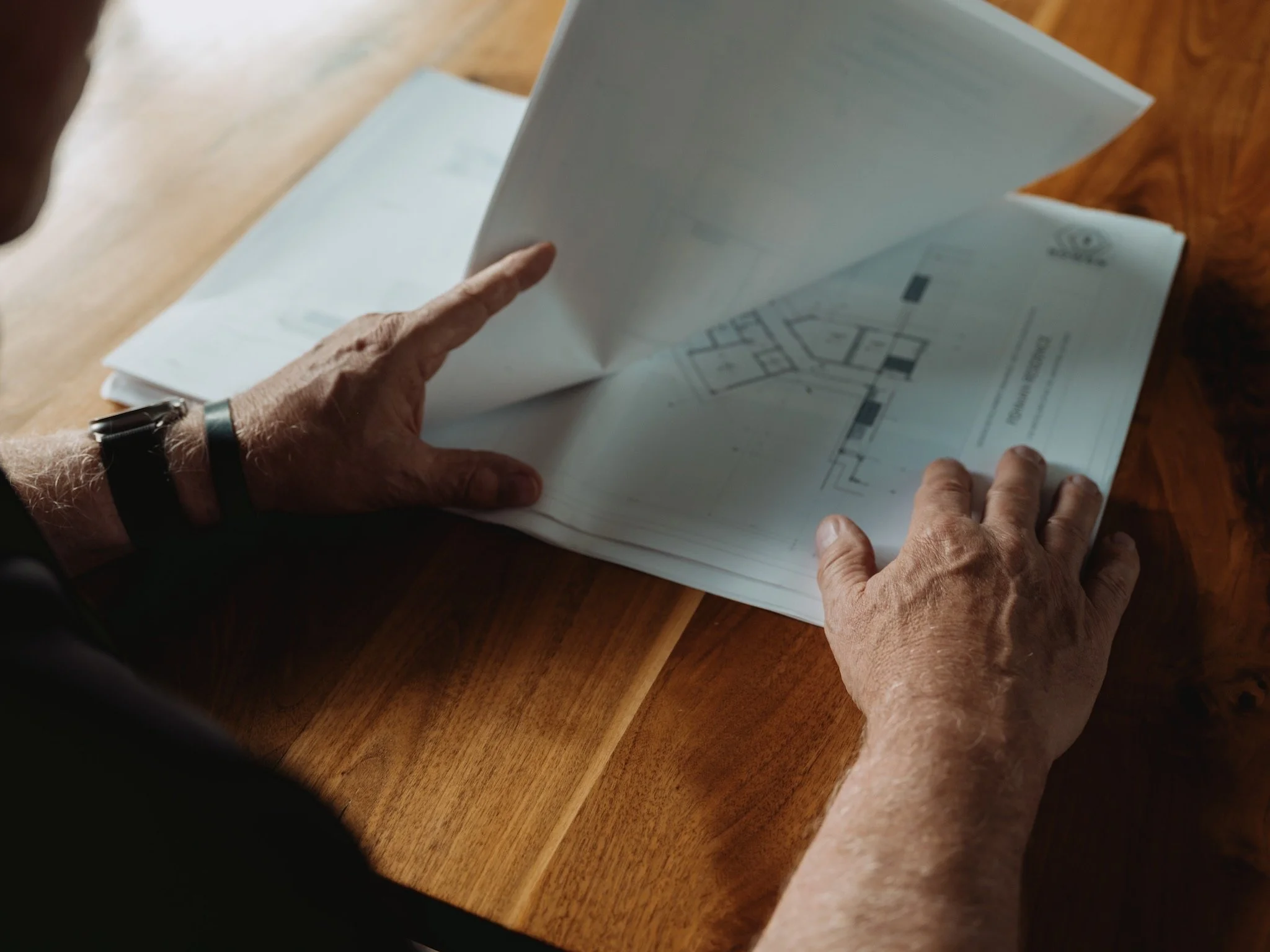
Why collaboration matters
Design intent goes beyond aesthetics to include spatial relationships, materiality, light, proportion, and how occupants will use a space. When builders are engaged early and included throughout a project, decisions can balance creativity and constructability without sidelining either. Early collaboration reduces costly changes by anticipating construction issues during design, which saves time and money by minimizing field revisions. Shared responsibility—architects contributing vision and user-focused design, builders contributing practicality and knowledge of codes, materials, and sequencing—combines strengths to produce work that is durable, buildable, and beautiful.
How we begin: early engagement and alignment
Preconstruction collaboration: We meet with architects during schematic design or early design development to review program goals, site constraints, local code implications, preliminary materials, and sequencing challenges. These meetings focus on aligning priorities rather than dictating solutions.
Constructability reviews: Our team reviews drawings and models to identify potential construction difficulties, access issues, material coordination conflicts, and cost drivers. We present options that maintain design intent while proposing practical alternatives when necessary.
Budget and schedule transparency: We share realistic cost estimates and schedule implications tied to design choices. This transparency helps architects make informed decisions that preserve the strongest aspects of the design within constraints.
Clear communication practices
Single points of contact: Assigning a lead project manager from the builder’s side and a lead from the architect’s side reduces confusion. These contacts coordinate meetings, clarify RFIs (requests for information), and keep the team focused on design priorities.
Regular coordination meetings: Weekly or biweekly meetings during design development and construction keep everyone updated on progress, issues, and upcoming decisions. Agendas center on maintaining design integrity while solving construction challenges.
Respectful problem-solving on-site
Field collaboration: When unexpected conditions arise, we bring the architect to the task rather than replacing their input. Field walkdowns with the architect, superintendent, and subcontractors lead to faster, design-respecting solutions.
Value engineering that preserves intent: Cost-saving suggestions are evaluated against design priorities. Instead of wholesale substitutions, we look for material or method changes that retain the architectural character—texture, color, proportion, and performance.
Technical coordination and detailing
Early MEP coordination: Mechanical, electrical, and plumbing systems influence ceiling heights, wall depths, and finishes. Coordinating MEP early prevents later conflicts that force design compromises.
Tolerances and sequencing: Builders detail realistic tolerances and propose sequencing strategies that maintain visible alignments and reveal points the architect cares about. This attention preserves the intended visual relationships.
Material selection: We involve architects in mock-ups and finish samples to ensure selected materials perform as designed in the building’s context.
Change management with design at the center
Clear RFI and change-order processes: When design clarifications or changes are needed, we document options, costs, and schedule impacts. This allows architects and owners to make informed decisions.
Minimal-impact substitutions: When a substitution is unavoidable, we present alternatives that match the specified product's look, durability, and performance rather than opting for the simplest or cheapest option.
Cultural practices that support integrity
Successful collaboration rests on mutual respect and shared goals, with each discipline valuing the other's expertise and committing together to the project's function, aesthetics, budget, and schedule. We promote continuous learning across roles—builders studying architectural intent and architects learning construction techniques—so teams can make better, faster decisions in concert. A focus on craftsmanship ties these elements together: protecting design integrity depends on execution, so we prioritize skilled trades, ongoing training, and careful oversight to ensure assemblies read and perform as the design intended.
Montana Build remains committed to creating high-quality, lasting projects by working closely with architects, designers, and specialty trades. Our collaborative approach is built on clear communication, strict quality control, and respect for each partner’s expertise. We look forward to continuing these collaborations to turn inspired concepts into well-crafted realities.