
Material Matters: Curating Finishes for Timeless Montana Homes
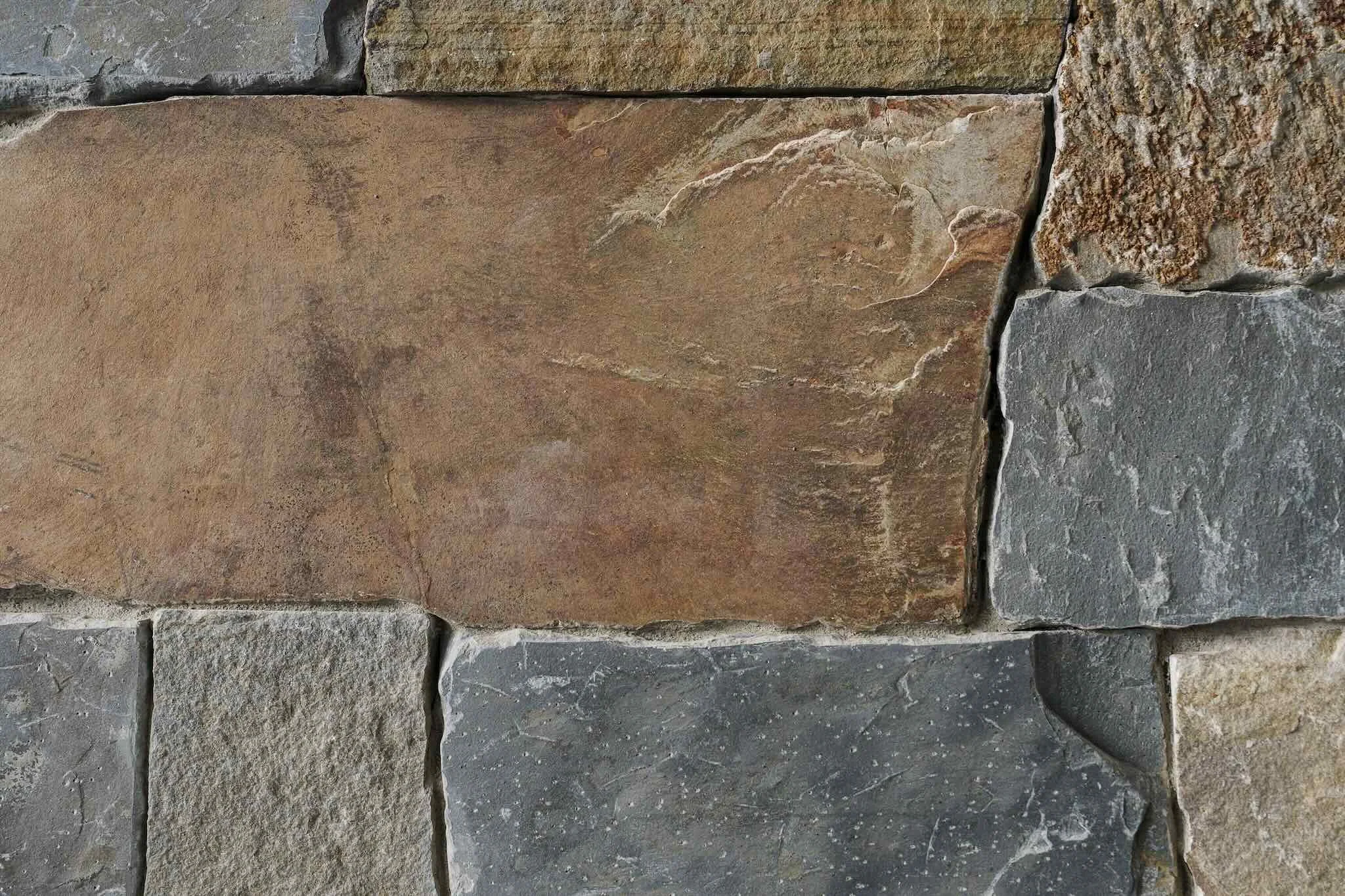
Designing a home in Montana is an exercise in restraint, durability, and respect for place. In communities like Whitefish, where alpine winters are long, summers are bright, and materials are exposed to wide seasonal swings, finishes aren’t just aesthetic choices—they’re long-term performance decisions.
For builders and homeowners, the goal isn’t to chase trends. It’s to curate materials that feel authentic on day one and still feel right decades later.
Start with Climate, Not Color
The first step in selecting finishes for a Montana home is understanding the environment they must endure. Freeze-thaw cycles, dry air, intense UV exposure at elevation, and tracked-in snow all accelerate wear.
That reality immediately filters material choices. For example, overly delicate stone, high-gloss finishes, or synthetic materials that fade quickly tend to age poorly. Instead, our designers prefer honest, durable materials—those that develop character rather than simply deteriorate.
In this stage, the question isn’t “What looks good?” but “What will still look good after 20 winters?”
Prioritize Natural, Time-Tested Materials
Timeless Montana homes often share a common palette rooted in nature:
Locally sourced or regionally appropriate wood species
Natural stone with visible variation and depth
Large windows for natural light and enjoying scenery
Metal finishes like oiled bronze, blackened steel, or weathering steel
These materials don’t fight aging—they participate in it. Wood softens in tone, stone gains subtle surface shifts, and metals develop a natural patina that tells the story of the home’s exposure to the elements.
The key is selecting materials that become more beautiful as they’re lived in, not less.
Design for Patina, Not Perfection
A critical mindset shift in curating finishes is accepting imperfection as part of beauty.
In high-altitude Montana environments, even well-maintained homes will show signs of life: sun exposure on south-facing wood, slight texture changes in stone, and softened edges on frequently touched surfaces.
Rather than resisting this, experienced builders design for it. That means choosing:
Matte over glossy surfaces (to reduce visible wear)
Textured finishes that disguise minor aging
Natural sealants that allow materials to breathe and evolve
This approach ensures that aging doesn’t feel like deterioration—it feels like depth.


Balance Craftsmanship with Maintenance Reality
Beautiful materials still need to be livable. In practice, that means asking hard questions during selection:
Can this floor handle snow, gravel, and mud?
Will this countertop stain if it’s not sealed perfectly?
Does this exterior finish require constant upkeep to stay attractive?
The most successful homes strike a balance: materials are refined enough to feel intentional, but robust enough to handle everyday life in a mountain climate.
Let Architecture Guide Material Choice
Finishes should never feel like an afterthought. In well-designed homes, architecture and material selection are inseparable.
Clean modern lines might call for smooth concrete, steel, and large glass planes, while more rustic mountain forms may favor reclaimed timber, hand-cut stone, and softer plaster finishes.
The guiding principle is consistency: the materials should reinforce the architectural intent, not compete with it.
The Long View: Designing for Decades, Not Seasons
Ultimately, curating finishes in Montana is about resisting short-term thinking. It’s easy to be drawn to bold trends or high-impact statement materials, but timeless homes are built from quieter decisions that compound over time.
When done well, a home doesn’t just survive Montana’s climate—it deepens with it. And instead of looking “old,” the home simply looks right.